Palapa Satellite: A Milestone of Indonesia’s Communication Technology Independence in Southeast Asia
1 Februari 2026
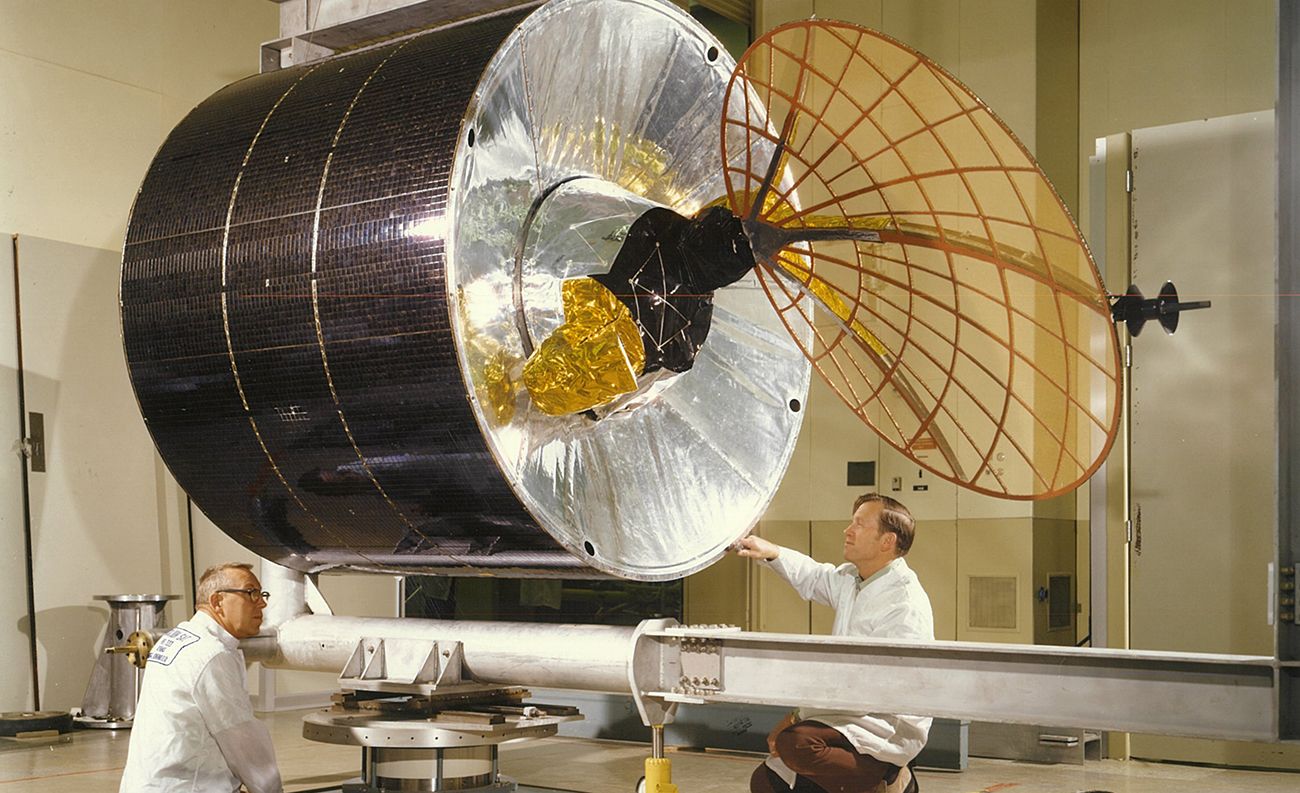
The Beginning of National Communication Infrastructure Independence In July 1976, Indonesia entered a new chapter in its communication technology history with the operation of Palapa A1, the first communication satellite owned and operated nationally by Indonesia. The satellite was launched on July 9, 1976, using a Delta 2914 rocket and placed in a geostationary orbit at 83° East longitude, marking the beginning of Indonesia’s domestic satellite communication system era.
More than just a satellite launch, this step reflected a strategic national decision to build a communication system capable of reaching the entire archipelago without relying entirely on international communication infrastructure aligned with Indonesia’s geographical challenges as an archipelagic nation.
Operational Independence as a Key Foundation Indonesia’s independence in managing the Palapa satellite was demonstrated not only through ownership but also through the development of domestic control infrastructure. Even before the launch of Palapa A1, the construction of the Main Satellite Control Station (SPU) in Cibinong had begun in 1974 to ensure independent satellite control and monitoring capabilities.
In 1976, PT Telkom Indonesia (then PERUMTEL) officially established the Main Control Station Unit for the Palapa Domestic Satellite Communication System (SPU SKSD Palapa), focusing on managing the satellite’s operations from within the country. This milestone signified that Indonesia was not merely a user of satellite technology but also an operator of its own strategic communication system.
Geopolitical and Technological Context of the 1970s In the 1970s, satellite communication technology was considered a strategic asset largely controlled by developed countries and used for global communications, defense, and geopolitical influence. Developing countries generally depended on international communication services controlled by foreign entities.
In Southeast Asia, limited communication infrastructure was a major barrier to regional integration. Therefore, Indonesia’s decision to build and manage its own domestic satellite system positioned Palapa as one of the earliest national satellite infrastructure initiatives in the region—well before regional connectivity developed as it is today.
The Role of Palapa in Strengthening National Integration As an archipelagic country with complex geographical and demographic challenges, Indonesia required a connectivity solution capable of reaching remote and widely dispersed areas. Satellite technology was seen as a strategic solution to accelerate equal access to communication and support national public services.
Through the Palapa Satellite, voice communication services, television broadcasting, and data transmission could reach areas previously inaccessible to terrestrial infrastructure. This satellite communication system played a vital role in strengthening national integration by providing more equitable connectivity across the archipelago.
From National Integration to Regional Connectivity Beyond meeting domestic needs, the capacity of the Palapa satellite system was also utilized to support cross-border communications in Southeast Asia. By providing reliable communication infrastructure, Indonesia began building cooperation and trust with neighboring countries in the region.
This role can be seen as the early foundation of regional digital diplomacy, where communication infrastructure serves not only as a technical medium but also as an instrument for strengthening international relations through interconnected connectivity.
Continuity of the National Satellite Management Vision The strategic legacy of Palapa did not end with its initial generation. The management and development of national satellite infrastructure have continued through various satellite generations and organizational transformations, eventually being integrated into a dedicated satellite management entity within the Telkom Group Telkomsat, officially established in 2018.
In facing the evolution of modern satellite technology, including multi-orbit constellations and Non-Terrestrial Networks (NTN), Telkomsat continues the vision of connectivity independence pioneered since the Palapa era, positioning satellites as strategic assets for national sovereignty and connectivity resilience.
Conclusion: The Relevance of Palapa in the Digital Transformation Era Amid the acceleration of digital transformation, the need for reliable and equitable connectivity infrastructure continues to grow. Indonesia’s experience in managing the Palapa Satellite demonstrates that mastering communication infrastructure is a key foundation for sustainable development and for strengthening Indonesia’s role at the regional level.
More than just a historical achievement, Palapa stands as an early symbol of Indonesia’s long-term commitment to building independent communication technology one that remains relevant in today’s digital connectivity era.
DiscoverNewHorizons
Ada Pertanyaan?
Tim ahli kami siap membantu. Mulai obrolan langsung atau isi formulir web.
